
Around the world, fintech is changing how we handle money. It’s helping people manage money more easily, even without access to traditional banks.
These fintech startups aren’t just solving everyday problems, they’re shaping the future of finance on the continent. But what happens when these startups grow so big that they become worth over $1 billion? That’s called becoming a unicorn, and many believe Africa is ready to produce its next wave of fintech unicorns.
This article looks at how fintech is growing in Africa, why it’s important, and how you can stay ahead of the curve by predicting which startups might be the next big success stories. Along the way, we’ll touch on tools like prediction markets that let you engage with and even benefit from your insights into the future of fintech.
What Is Fintech Doing for Africa?
Fintech in Africa is all about making life easier for people who need better ways to handle money. For example:
- Mobile Money: Services like Opay Nigeria, M-Pesa in Kenya let people send and receive money using just their phones. No bank account needed! This has changed how millions of Africans pay bills, save money, and do business.
- Online Payments: Companies like Flutterwave and Paystack make it simple for businesses to accept payments online. Whether you’re buying something locally or internationally, these platforms make transactions fast and secure.
- Loans for Everyone: Traditional banks often ask for lots of paperwork before giving out loans. Many Africans don’t have the documents required, so they miss out. Fintech lenders use things like phone usage patterns or social media activity to decide if someone is trustworthy enough to borrow money. This opens up opportunities for people who would otherwise be left out.
Why Is Fintech Growing So Fast in Africa?
There are several reasons why fintech is booming in Africa:
1. More Investors Are Interested
People around the world are noticing how much potential African fintech startups have. Between 2019 till date, these companies received over $2 billion in funding. Investors see this as an opportunity to support innovative ideas while earning good returns.
2. Governments Are Helping Out
Many governments in Africa are working to create rules that help fintech companies grow. Some even offer “sandboxes,” which are safe spaces where startups can test their ideas without worrying too much about strict regulations. This encourages innovation and builds trust with customers.
3. More People Have Internet Access
As more Africans get connected to the internet, especially through mobile phones, more people can use fintech services. With over 450 million mobile users in Sub-Saharan Africa alone, there’s a huge market waiting to try new financial solutions.
4. Young, Tech-Savvy Population
Africa has one of the youngest populations in the world, and young people love trying out new technologies. They’re eager to start businesses and find better ways to manage their finances, which drives demand for fintech services.
How Can We Predict the Next Fintech Unicorns?
To figure out which fintech startups might become unicorns, we need to look at a few key things:
1. Can They Grow Quickly?
A successful unicorn needs a business model that can expand rapidly without costing too much. If a company can serve millions of people efficiently, it’s more likely to succeed. A typical example would be the fintech giant, Moniepoint serving over 10 million people and businesses in Nigeria.
2. Do People Need What They Offer?
The best unicorns solve real problems for large groups of people. Whether it’s making cross-border payments easier, offering affordable loans, or providing insurance for low-income families, meeting actual needs increases the chances of success.
3. Do They Have Strong Leaders?
Behind every great startup is a strong leader and team. Founders who understand both local challenges and global trends are more likely to guide their companies toward unicorn status.
4. Are They Innovative?
To stand out in a crowded market, fintech startups need to offer something unique. Using blockchain to keep transactions secure, AI to personalize customer experiences, or biometrics for identity checks are examples of innovations that set companies apart.
Challenges Facing Fintech Startups in Africa
Even though fintech is growing quickly, startups still face some hurdles:
- Poor Infrastructure: In some areas, slow internet or power outages can stop fintech services from working properly.
- Uncertain Rules: Not all governments have clear laws about fintech yet, which can make it hard for companies to operate smoothly.
- Competition: As more fintech companies pop up, they compete not only with each other but also with big international firms entering the market.
- Educating Users: Many people don’t know much about fintech or may not trust digital platforms because of past scams. Teaching them about the benefits is important.
Staying Ahead with Prediction Markets
If you want to stay informed about the future of fintech in Africa or even have fun guessing which startups will succeed you can trade in a prediction market. These platforms let users trade opinions on different events or industries. For example, whether a fintech company will raise $100 million in funding or become a unicorn within a certain time frame.
One platform that does this well is GoWagr’s Prediction Market, Qalla. On Qalla, you can buy “Yes” or “No” shares based on your beliefs about various events, such as:
- Will Flutterwave IPO in 2025?
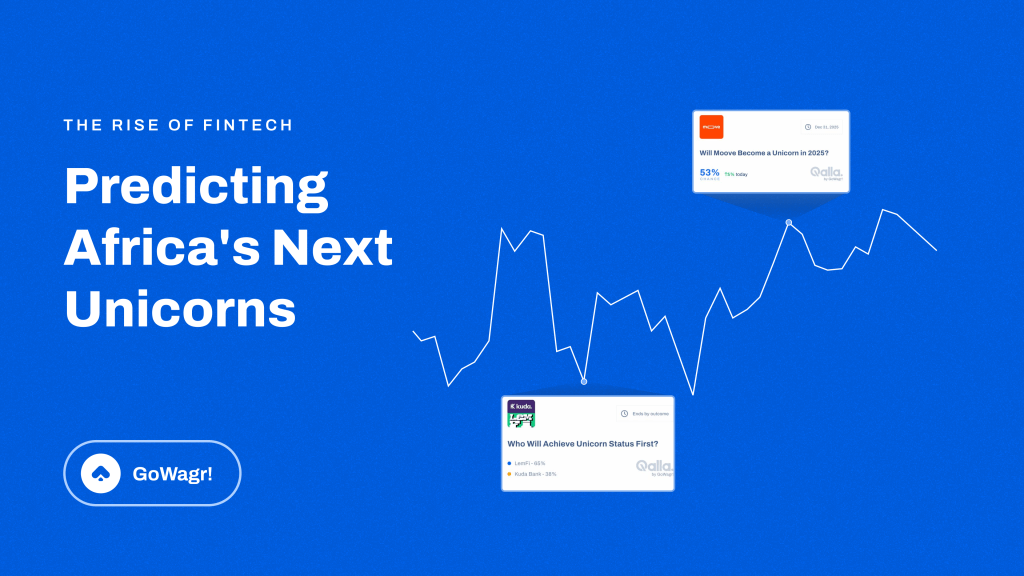
- Will Moove become a Unicorn in 2025?
What’s cool about Qalla is that it’s easy to use. With as little as $1 you can buy shares in any event, category, or industry so anyone can join in. Plus, you can sell your shares anytime before the market is resolved and still make a profit, giving you control over your risks.
You can explore questions like “Who Will Achieve Unicorn Status First?” comparing LemFi and Kuda Bank, or predict if Flutterwave will IPO in 2025. Each event shows the current percentage of “Yes” and “No” shares, helping you gauge the market sentiment.


Engaging with these markets not only makes you part of the conversation but also gives you a chance to earn profit based on your opinions.

On Qalla, it’s easy to figure out where the odds favors plus you get context into the market you want to trade. See here on how to profit from trading on real world events online. You might discover exciting new startups or trends that could inspire your decisions.
The Future of Fintech in Africa
Looking ahead, the prospects for fintech Africa are bright. Advances in technology, coupled with investor interest and government support, suggest that we’ll see more African fintech unicorns emerge in the coming years. However, realizing this potential will require continued innovation, collaboration, and adaptation to changing market conditions.
For individuals interested in staying ahead of the curve, GoWagr offers a fun and engaging way to participate in the conversation. See how to predict trends and win cash here.
From enabling financial access for small businesses in Africa to fostering entrepreneurship, fintech Africa startups are paving the way for a brighter future. While predicting which companies will become unicorns is inherently uncertain, platforms like GoWagr empower you to engage, trade your opinions, and profit from them. Download the GoWagr app to get started now.




 Blog
Blog 